
What is Varenicline?
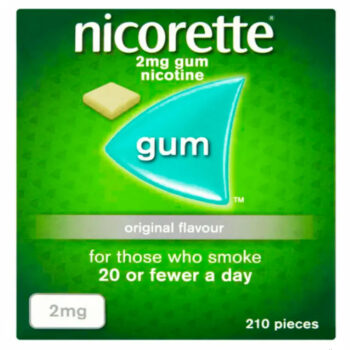
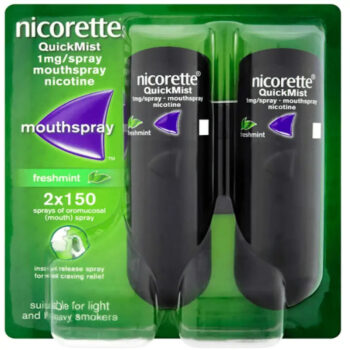
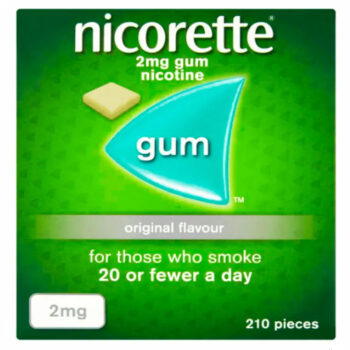
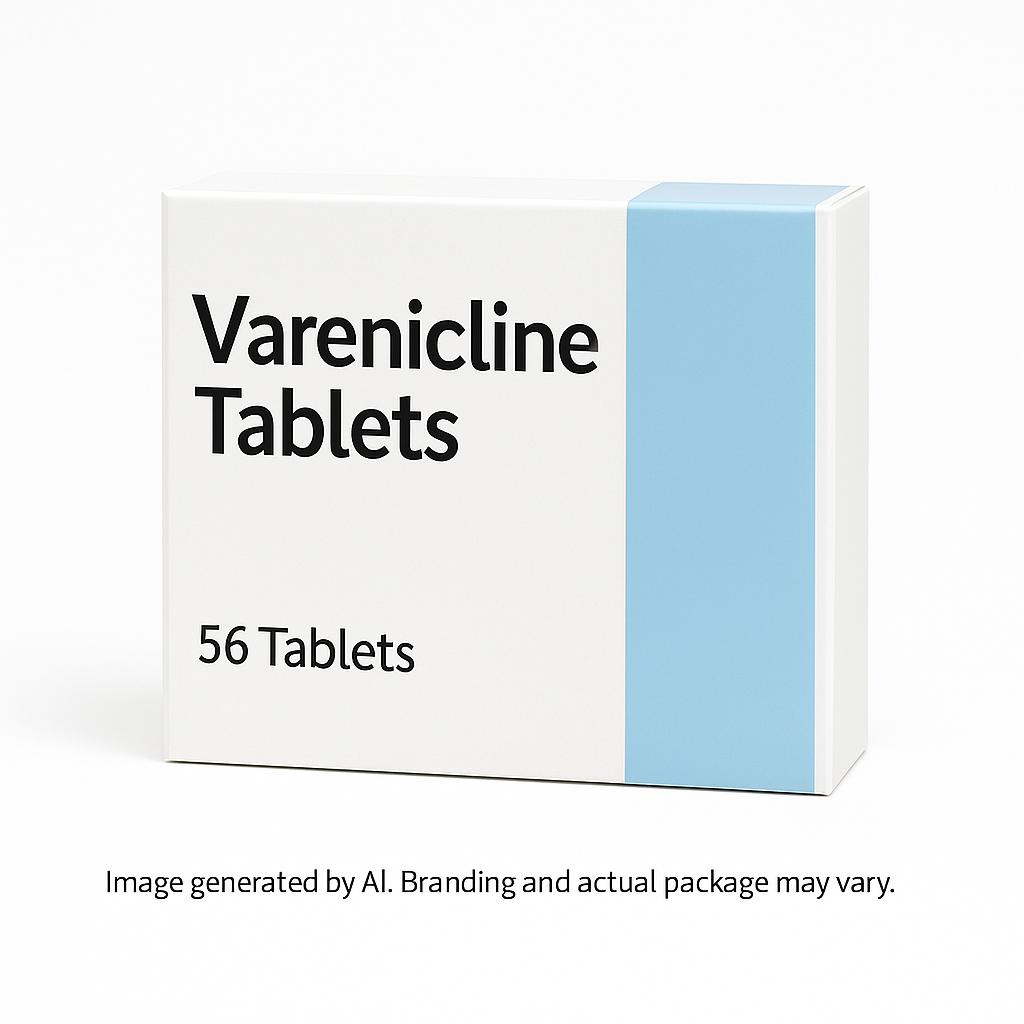
Varenicline is a prescription-only medication designed to help individuals stop smoking by targeting the neurological processes involved in nicotine addiction. Unlike nicotine replacement therapies (NRT) such as patches, gums, or lozenges, Varenicline does not contain nicotine. Instead, it works by interacting directly with nicotine receptors in the brain—specifically the α4β2 nicotinic acetylcholine receptors. This dual-action effect makes it one of the most effective pharmacological aids available for smoking cessation.
When taken as prescribed, Varenicline binds to the nicotine receptors and stimulates them to a lesser degree than nicotine itself. This partial stimulation helps reduce the cravings and withdrawal symptoms commonly experienced during a quit attempt. At the same time, it blocks nicotine from attaching to these receptors. As a result, if a person does smoke while taking Varenicline, they experience less satisfaction or “reward” from the cigarette, which helps to break the psychological cycle of addiction.
Varenicline is typically taken as part of a structured stop-smoking plan, often alongside behavioural support or counselling. The treatment usually starts around one week before your designated quit date. The dosage begins low and is gradually increased over the first week to allow the body to adjust. Most courses last for 12 weeks, although some patients—particularly those who are successful but still vulnerable to relapse—may continue the treatment for an additional 12 weeks at a maintenance dose.
This medication is suitable for adult smokers who are motivated to quit and have not had success with other cessation methods, including NRT or cold turkey attempts. It is particularly helpful for those who experience intense psychological dependence or strong habitual urges to smoke in certain situations, such as after meals or when stressed.
As with all prescription treatments, Varenicline may not be suitable for everyone. People with a history of seizures, severe kidney problems, or certain mental health conditions should consult their GP to determine if Varenicline is a safe option. Common side effects include nausea, trouble sleeping, and vivid dreams, which often improve after the first couple of weeks of treatment.
When used correctly and with strong commitment, Varenicline significantly increases the chances of quitting smoking for good, offering a valuable non-nicotine alternative to help reclaim long-term health.