

Conditions
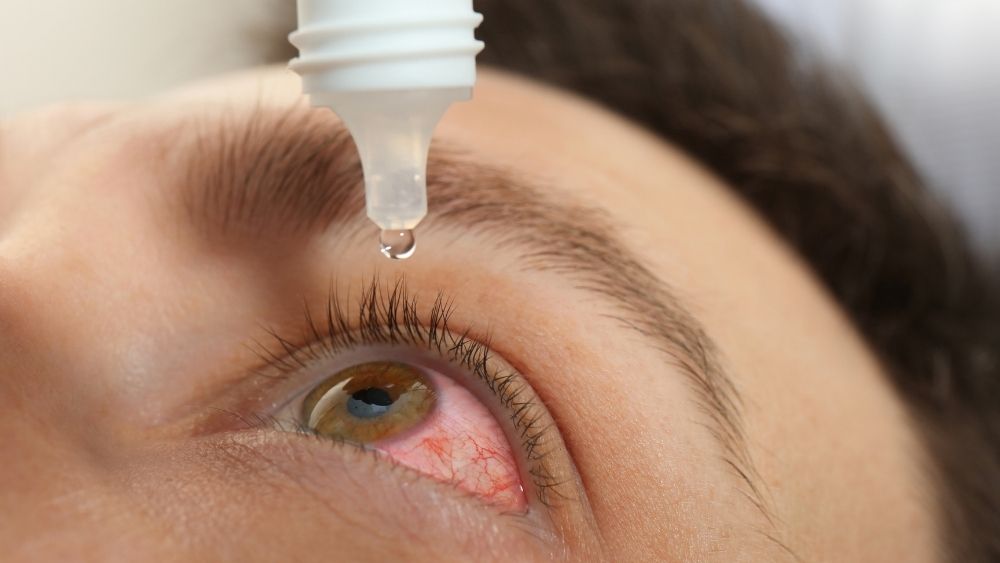
Treatments for Eye Infections
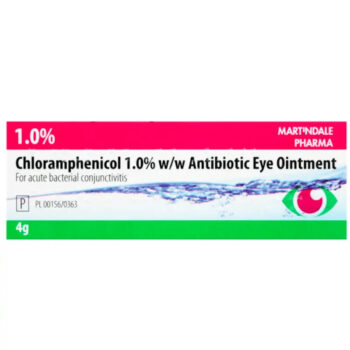
Search for the right eye infection treatment in our online store, or contact us for expert advice.
About This Condition
Eye Infections
Search for the right eye infection treatment in our online store, or contact us for expert advice.
Eye infections occur when bacteria, viruses, or fungi invade the eye or surrounding tissues, leading to irritation, redness, and discomfort. They can affect different parts of the eye, including the eyelids, conjunctiva (the thin membrane covering the white of the eye), or cornea. Eye infections are common and usually mild, but in some cases, they can lead to complications if not treated properly.
Common types of eye infections include conjunctivitis (often called pink eye), which causes redness, watering, and sticky discharge, and blepharitis, an inflammation of the eyelids that makes them swollen or crusty. More serious infections, such as keratitis or uveitis, affect deeper parts of the eye and can cause pain, blurred vision, or light sensitivity.
Symptoms vary depending on the cause but often include redness, itching, swelling, discharge, and a gritty or burning feeling. Viral infections usually cause watery discharge, while bacterial ones often produce thicker, yellow or green discharge. Allergic reactions can mimic infections but are not contagious.
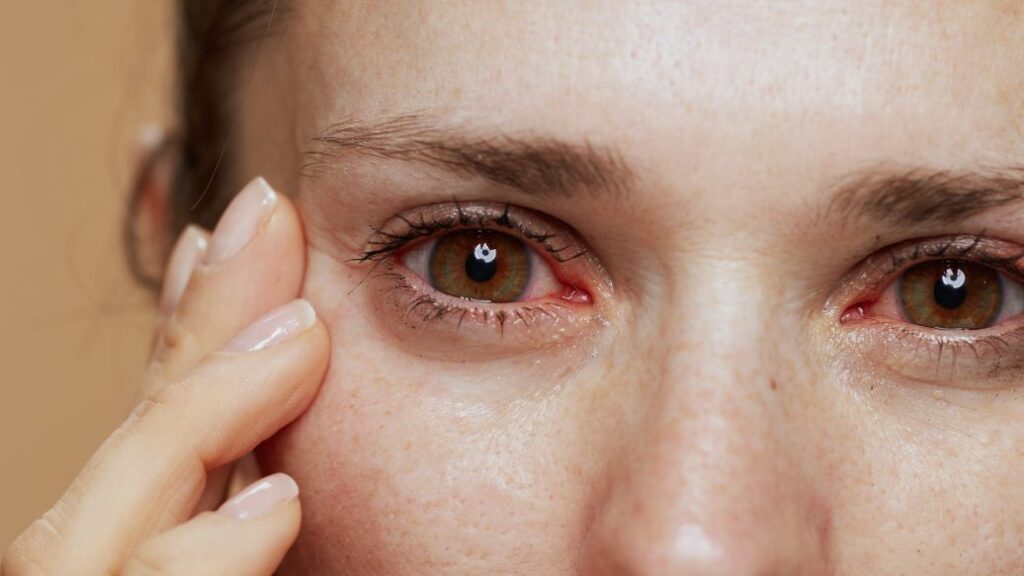
Eye infections can spread easily through direct contact or shared items such as towels, makeup, or contact lenses. Maintaining good hygiene—like washing hands before touching the eyes and avoiding sharing personal items—helps prevent transmission. Contact lens wearers should also follow proper cleaning routines and avoid sleeping in lenses unless specifically approved.
Most mild eye infections clear up with good hygiene and rest, but persistent pain, swelling, or changes in vision require medical attention. Early assessment ensures proper treatment and helps prevent more serious complications. Avoiding rubbing the eyes and keeping them clean supports faster recovery.
Protecting eye health involves regular eye care and prompt attention to any signs of infection. Keeping makeup tools clean, removing lenses at night, and avoiding contaminated water sources, such as swimming pools, are simple but effective preventive steps.

Order within 0h 0m 0s for next day delivery on all items
Free Standard shipping