

Conditions
Treatments for Arthritis and Gout
Search for the right gout treatment in our online store, or contact us for expert advice.
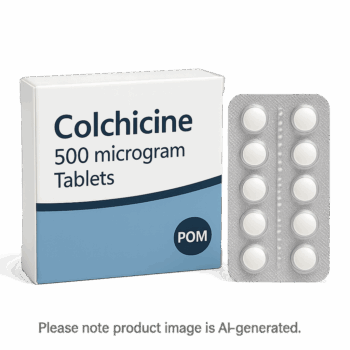
Colchicine 500mcg Tablets
About This Condition
Arthritis and Gout
Search for the right gout treatment in our online store, or contact us for expert advice.
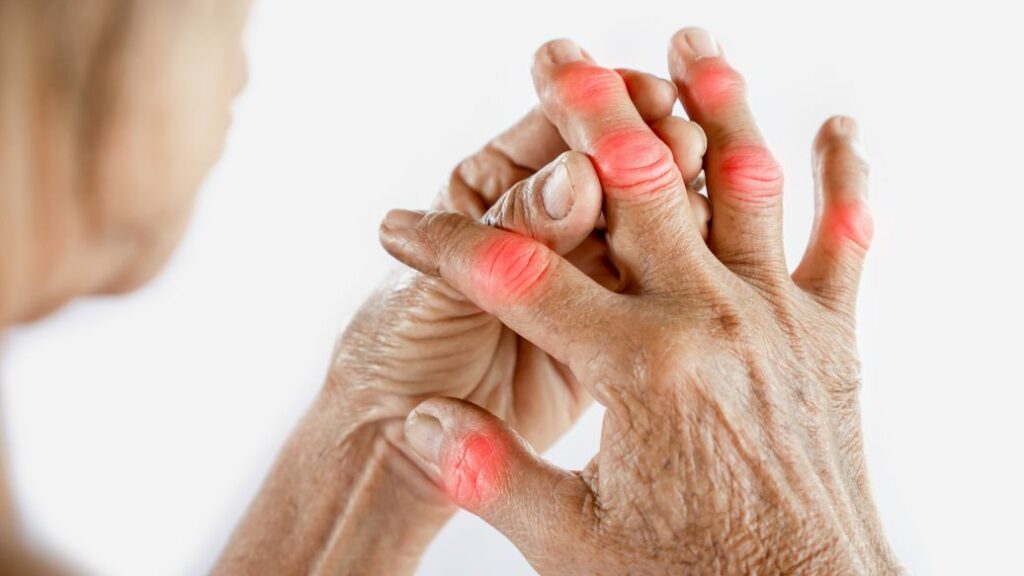
Arthritis is a term used to describe inflammation of the joints, leading to pain, stiffness, and reduced mobility. It is not a single disease but a group of conditions that affect the joints and surrounding tissues. The two most common types are osteoarthritis and rheumatoid arthritis. Osteoarthritis occurs when the protective cartilage that cushions the ends of bones wears down over time, often due to ageing or repetitive use. Rheumatoid arthritis, on the other hand, is an autoimmune condition in which the immune system mistakenly attacks the lining of the joints, causing chronic inflammation and potential joint deformity if left untreated.
The symptoms of arthritis can vary depending on the type and severity. Common signs include joint pain, swelling, tenderness, stiffness, and a decreased range of motion. These symptoms often worsen with inactivity or after periods of rest, especially in the morning. In severe cases, arthritis can make everyday activities, such as walking, dressing, or gripping objects, challenging. The condition can affect one or multiple joints and may progress gradually or flare up suddenly.
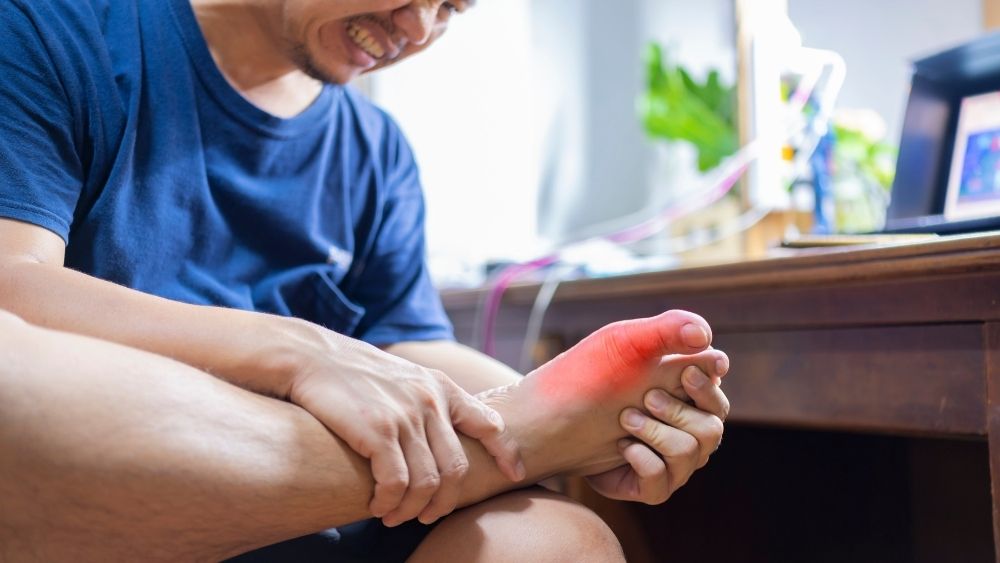
Gout is a specific type of arthritis caused by a buildup of uric acid crystals in the joints. Uric acid forms naturally when the body breaks down substances called purines, which are found in certain foods and drinks. When levels of uric acid become too high, crystals can accumulate in the joints, leading to sudden, intense pain, redness, and swelling. Gout most commonly affects the big toe but can also occur in the ankles, knees, wrists, and fingers. Attacks can appear suddenly, often at night, and may subside within days, though they can recur if uric acid levels remain elevated.
Several factors can contribute to the development of arthritis and gout. Age, genetics, previous joint injuries, and obesity can increase the risk of arthritis, while gout may be linked to dietary habits, dehydration, and metabolic conditions such as kidney disease. Both conditions can affect anyone but are more common in adults, particularly men for gout and older individuals for arthritis. Maintaining a healthy weight, staying active, and following a balanced diet can reduce strain on the joints and help prevent flare-ups.
Lifestyle management plays an important role in easing symptoms. Regular low-impact exercise, such as swimming or walking, strengthens muscles around the joints and maintains flexibility. Applying heat or cold can relieve pain and stiffness, while proper rest helps prevent overexertion. For gout, avoiding foods high in purines—like red meat, organ meats, and certain seafood—can help reduce uric acid buildup. Staying hydrated also supports the body’s ability to flush out excess uric acid.
Arthritis and gout can both impact quality of life, but with proper management and early intervention, symptoms can be controlled, and joint function preserved. Awareness of triggers, healthy habits, and regular monitoring by healthcare professionals all contribute to long-term comfort and mobility.
Order within 0h 0m 0s for next day delivery on all items
Free Standard shipping