
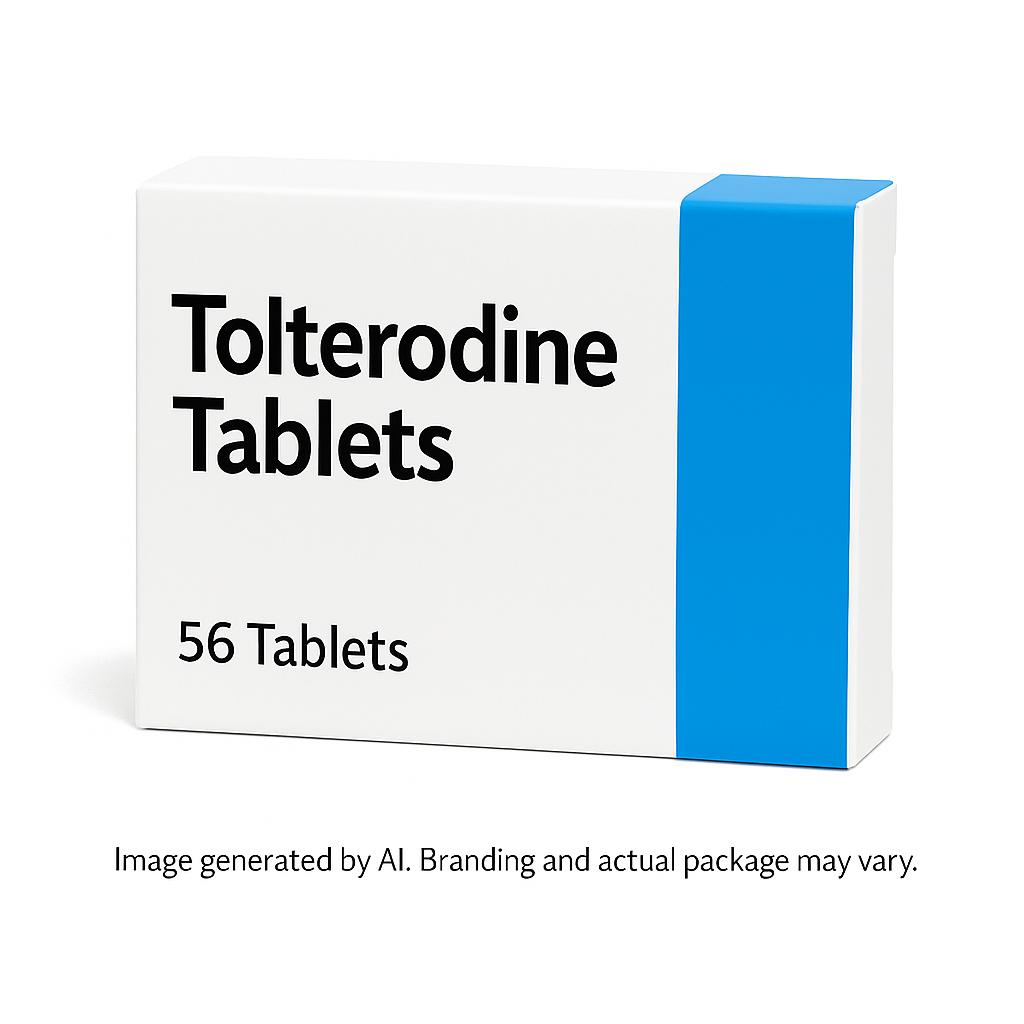
What is Tolterodine?
Tolterodine is a prescription medication used to treat the symptoms of an overactive bladder (OAB), a condition that can significantly affect day-to-day comfort and confidence. Overactive bladder symptoms include urinary urgency (a sudden, strong need to urinate), increased frequency of urination during the day or night, and urge incontinence—leakage that occurs before reaching the toilet.
Belonging to a class of medicines known as antimuscarinics (or anticholinergics), Tolterodine works by blocking specific receptors in the bladder muscle. These receptors are responsible for involuntary bladder contractions that cause the sudden urge to urinate. By calming the bladder muscle, Tolterodine helps reduce these contractions, increasing the bladder’s storage capacity and enabling better control over urination.
Tolterodine is typically prescribed to individuals who have not responded sufficiently to non-drug interventions such as bladder training, pelvic floor exercises, or fluid management strategies. It can make a significant difference in quality of life by reducing the number of urgent bathroom visits, minimising accidents, and restoring confidence in social or work situations.
The medication is available in two main forms: immediate-release tablets taken twice daily and extended-release capsules taken once a day. Your doctor will determine the most appropriate version and dosage based on your specific symptoms, lifestyle, and response to treatment. It may take several weeks of consistent use to experience the full benefits.
While generally well-tolerated, Tolterodine may cause side effects in some individuals. The most commonly reported ones include dry mouth, constipation, blurred vision, and dizziness—effects that result from the medication’s action on the parasympathetic nervous system. Most side effects are mild and manageable but should be discussed with a healthcare provider if they become troublesome.
Tolterodine is not suitable for everyone. It should be used with caution in patients with glaucoma, urinary retention, or certain gastrointestinal disorders. It is also important to inform your doctor about any other medications you are taking, as Tolterodine may interact with drugs that affect liver enzymes or heart rhythm.
With the right medical supervision, Tolterodine offers a reliable treatment option for managing overactive bladder symptoms and helping people regain control over their urinary habits.