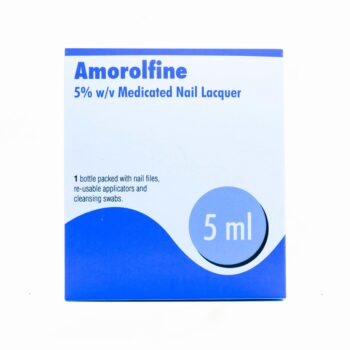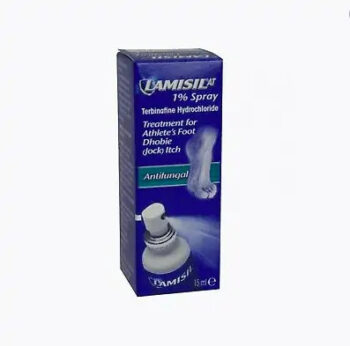


What is Terbinafine?
Terbinafine is a prescription antifungal medication used to treat a wide range of fungal infections that affect the skin, nails, and scalp. It is especially effective for conditions that are persistent or resistant to topical antifungal creams and ointments. These include fungal nail infections (onychomycosis), athlete’s foot (tinea pedis), jock itch (tinea cruris), ringworm (tinea corporis), and fungal infections of the scalp (tinea capitis).
The medication belongs to a class of antifungals known as allylamines. It works by targeting the fungal cell membrane, specifically by inhibiting an enzyme called squalene epoxidase. This disrupts the production of ergosterol, an essential component of fungal cell membranes. Without ergosterol, the fungus cannot maintain its structure or reproduce, eventually leading to its death. This mechanism makes Terbinafine highly effective in eradicating the infection at its source.
Terbinafine is commonly taken in tablet form, typically once per day. Because the medicine is absorbed into the bloodstream, it treats fungal infections systemically—making it ideal for deeper infections that topical treatments cannot reach. For example, fungal nail infections often require several months of oral treatment, since nails grow slowly and the medication must be present throughout the regrowth period to be effective.
The duration of treatment varies depending on the type and location of the infection. Skin infections may clear within 2 to 6 weeks, while nail infections may require 6 to 12 weeks or longer. It’s crucial to complete the full course of treatment as prescribed, even if symptoms improve early, to ensure complete eradication of the fungus and prevent recurrence.
Terbinafine is generally well tolerated but may cause side effects such as gastrointestinal upset, headache, skin rash, or changes in taste. Rarely, it can affect liver function, so your doctor may monitor liver enzymes before or during prolonged treatment. It is important to inform your healthcare provider of any pre-existing liver conditions or medications you are currently taking to avoid potential interactions.
For individuals suffering from stubborn or recurring fungal infections, Terbinafine provides an effective systemic solution that helps restore healthy skin and nails with consistent use and medical supervision.