
What is Prednisolone?
Prednisolone is a prescription corticosteroid medication used to treat a broad range of inflammatory, allergic, and autoimmune conditions. It mimics the effects of cortisol, a hormone naturally produced by the adrenal glands, to help reduce inflammation and regulate immune system activity. By doing so, it eases symptoms such as swelling, redness, pain, and irritation in various parts of the body.
It is widely prescribed for chronic conditions like asthma, rheumatoid arthritis, lupus, and inflammatory bowel diseases such as Crohn’s disease and ulcerative colitis. Prednisolone is also used to treat severe skin conditions, eye inflammation, allergic reactions, and in some cases, cancer or after organ transplants to help prevent rejection. In certain individuals with adrenal gland disorders (like Addison’s disease), it may be prescribed as a hormone replacement.
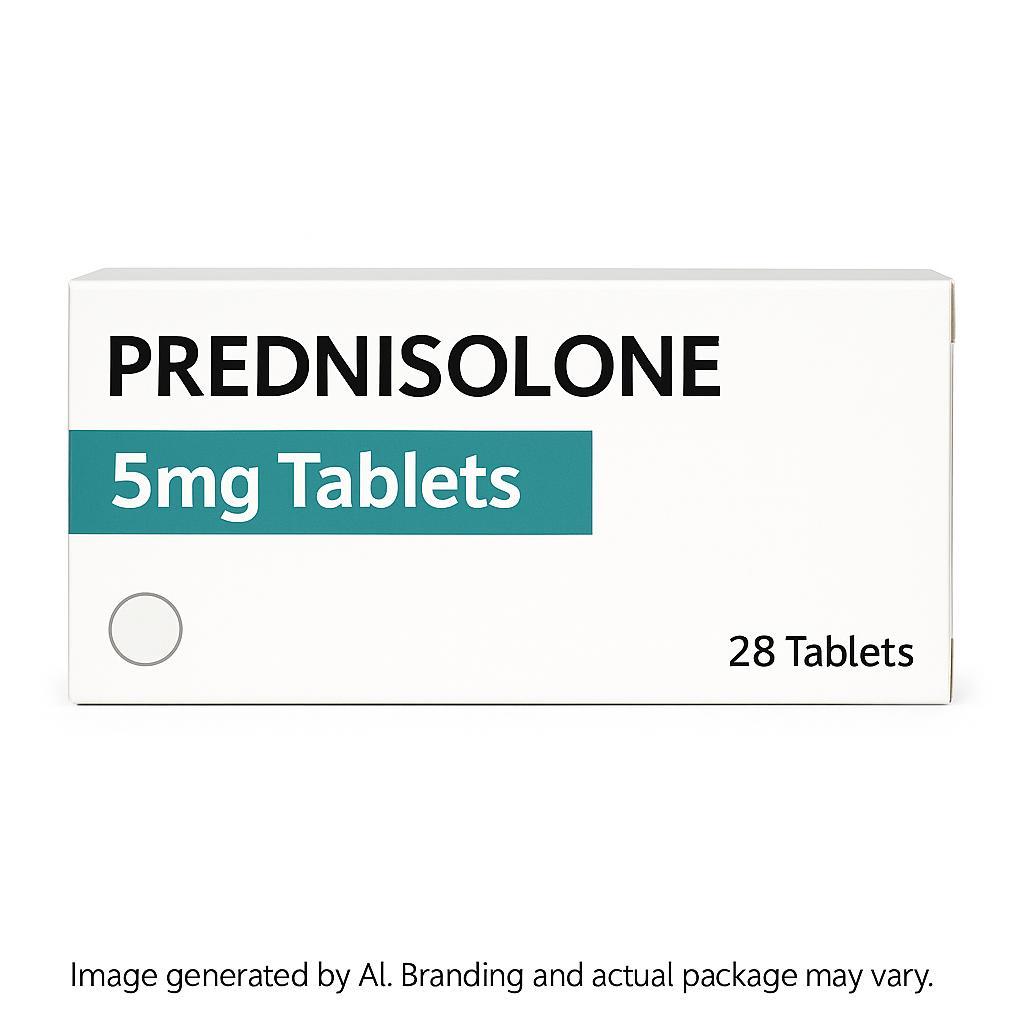
Prednisolone is typically taken as oral tablets, often in the morning to coincide with the body’s natural cortisol production. Depending on the medical condition and treatment plan, the dosage can range from short-term use of a high dose to longer-term use at lower maintenance doses. The treatment regimen is carefully tailored to minimise side effects while effectively managing the condition.
It’s important to take Prednisolone exactly as prescribed. Do not stop taking it suddenly if you’ve been using it for a prolonged period, as this can cause withdrawal symptoms and may lead to serious health complications. Instead, your doctor will guide you on how to taper down the dose gradually.
While effective, Prednisolone can cause side effects, especially with long-term use. These may include weight gain, mood changes, increased blood pressure, insomnia, indigestion, acne, and a higher risk of infections. Long-term use may also lead to bone thinning (osteoporosis), eye issues like cataracts or glaucoma, and elevated blood sugar levels.
Your healthcare provider may schedule regular check-ups and blood tests during treatment to monitor your response and minimise side effects. Lifestyle changes such as a healthy diet, calcium and vitamin D supplementation, and weight-bearing exercises may also be recommended to counteract potential complications.
Prednisolone is a powerful medication that can offer substantial relief and control over a variety of serious conditions when used under proper medical supervision.